

Render Nao
Sourced from the mountains of Rende Nao on the island of Flores, this micro-lot is grown at altitudes ranging from 1,200 to 1,500 meters. Processed using the wet-hulled method, it yields a dense, deep coffee characterized by the dark, enveloping profile typical of Indonesian terroirs.
Features
Region
Rende Nao, Flores Island, Indonesia
Altitude
1200 – 1500 m
Varieties
Arabica (local variety)
Method
Wet Hulled (Giling Basah)
Tasting Notes
A coffee with a distinctive character and a rich body.
The aromas evoke dark chocolate, raw cacao and roasted hazelnut, followed by notes of aromatic wood, mild tobacco and warm spices. On the palate, the body is round, the texture syrupy, the acidity mild, and the finish long and enveloping, leaving an impression of depth and warmth.
Les Producteurs De Flores
Volcanic soil, an island culture
The producers of Rende Nao live in the heart of a spectacular setting: steep mountains, lush forests, dormant volcanoes, and the sea just a stone’s throw away. Their coffee is grown on small family plots, often using agroforestry practices, in the shade of fruit trees. Each harvest is done by hand, and each batch is sun-dried on beaten earthen areas or on tarps, depending on wind and rain conditions.
This farming method, rooted in local traditions, respects the island’s natural rhythm. The Wet Hulled process practiced here is not merely a technical choice, but an adaptation to the climate and a hallmark of identity. It produces bold, authentic coffees, of which Rende Nao is now one of the finest examples.
Flores Rende Nao Wet Hulled is a coffee with character: deep, warm, and full-bodied—just like the island from which it takes its name.
Rende Nao - Wet Hulled
The Terroir
On the island of Flores, in the mountainous region of Rende Nao, coffee grows at altitudes between 1,200 and 1,500 meters. The mineral-rich volcanic soil and the sea breeze from the Savu Sea create a unique climate, alternating between dry heat and mild humidity. The plantations, often shaded by fruit trees, produce a dense, aromatic bean—a hallmark of the coffees from this still-unspoiled island.
Le process Wet Hulled (Giling Basah)
The Wet Hulled method, or Giling Basah, is a traditional Indonesian process that originated in a humid climate where complete drying would take too long. The red coffee cherries are harvested by hand and then pulped immediately. The beans, still coated in mucilage, ferment briefly before being hulled at a semi-wet stage, when their moisture content is around 30%. They are then sun-dried until they reach a stable moisture content (approximately 12%), and finally sorted by hand. This process gives the coffee a deep texture, a round body, and the dark aromas typical of Indonesian terroirs.
The Cup Profile
A coffee with a distinctive character, a full body, and a syrupy texture. The initial notes evoke dark chocolate, raw cacao, and toasted hazelnut, followed by more rustic nuances: aromatic wood, mild tobacco, and warm spices. The acidity is mild, and the finish is long and enveloping. It’s the ideal coffee for a rich, comforting espresso that retains the depth and authenticity of its terroir.
Discover our other origins
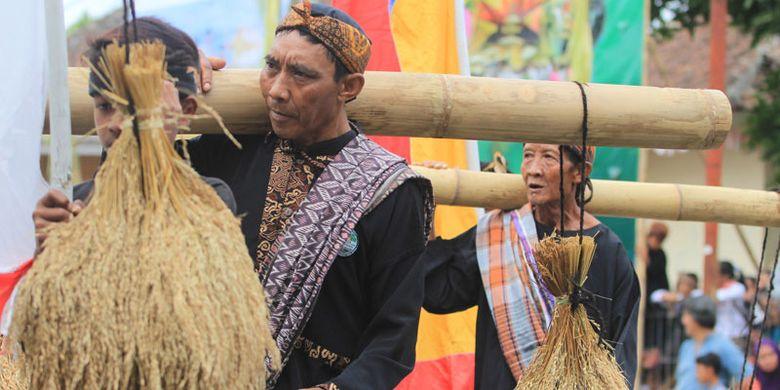
Ciwidey
On the fertile slopes of Mounts Tilu, Halu, and Ciwidey, in the coffee-growing region surrounding the city of Bandung, renowned for its fine harvests with balanced and elegant aromatic profiles; ;
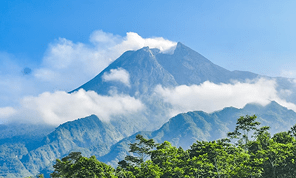
Babadan
Between the Merapi and Merbabu volcanoes, where high-altitude microclimates give the coffees a bright acidity and great aromatic complexity; ;