


Mandailing
Sourced from the Sian Huta mountains in northern Sumatra, this Mandailing is dried using the Natural process. A dense, full-bodied coffee characterized by ripe fruit notes and a rich texture, true to the character of its terroir.
Features
Region
Sian Huta, North Sumatra, Indonesia
Altitude
About 1,100 m
Varieties
Arabica (local variety)
Tasting Notes
Flavors
Ripe red berries, plum, raw cacao
Taste
Full-bodied and intense, with a pronounced natural sweetness and a rich texture
Sensory Profile
A deep and vibrant Mandheling with a bold personality. The body is dense, almost wine-like, carried by notes of dark fruits, sweet wine, and intense chocolate. The texture is thick and enveloping, evoking the slow sun-drying process and the power of the mountains of Sumatra.
Sian Huta & Mandailing Culture
Beyond its flavor, Mandheling coffee tells the story of a land and its people. In these mountains of Indonesia, at an elevation of 1,100 meters, coffee is not an industry—it is a living tradition, woven from gestures, rituals, and the passing down of knowledge.
Sian Huta, literally “the original village,” was born out of this desire to connect the modern world of coffee to its roots. Every lot they export bears the mark of a collective effort, where the producer’s touch remains visible in every bean. The farms are small family plots, often intermixed with other crops: banana trees, spice trees, and avocado trees. A model of balanced agroforestry.
Among the Mandheling people, it is said that the land speaks through its harvests. And in Sian Huta’s coffee, we hear that voice: that of a people who cultivate respect, patience, and the beauty of things done well.
Mandailing - Natural
The Process
The Natural process is the oldest method used in the Mandheling mountains. Whole cherries, picked at full ripeness, are dried with their pulp and mucilage intact, so that the fruit imparts all its sweetness to the bean.
The Moves
Every morning, families spread the red cherries out on bamboo drying racks. They turn them by hand several times a day to ensure even airflow and prevent fermentation. The drying process takes 25 to 30 days, influenced by the sun and tropical rains. When the skin turns brown and parchment-like, the cherries are shelled and then sorted by hand.
The Cup Profile
A full-bodied, vibrant coffee: red berries, plum, sweet wine, raw cacao. It has a dense body, a deep aroma, and a rich texture. Every sip evokes the slow process of sun-drying and the power of the mountains of Sumatra.
Tasting Notes
Flavors
Honey, light caramel, ripe fruit
Taste
Round, smooth, and well-balanced, with a slightly candied flavor
Sensory Profile
A velvety and harmonious coffee, where the natural sweetness comes through without being overpowering. The body remains full but is smoother than the Natural. Flavors of honey, brown sugar, and ripe yellow fruits dominate, with a warm mouthfeel and a sweet, almost syrupy finish. A subtle balance between richness and finesse.
Sian Huta & Mandailing Culture
Beyond its flavor, Mandheling coffee tells the story of a land and its people. In these mountains of Indonesia, at an elevation of 1,100 meters, coffee is not an industry—it is a living tradition, woven from gestures, rituals, and the passing down of knowledge.
Sian Huta, literally “the original village,” was born out of this desire to connect the modern world of coffee to its roots. Every lot they export bears the mark of a collective effort, where the producer’s touch remains visible in every bean. The farms are small family plots, often intermixed with other crops: banana trees, spice trees, and avocado trees. A model of balanced agroforestry.
Among the Mandheling people, it is said that the land speaks through its harvests. And in Sian Huta’s coffee, we hear that voice: that of a people who cultivate respect, patience, and the beauty of things done well.
Mandailing - Honey
The Process
Le Honey Process est une alliance subtile entre le lavé et le naturel. Les cerises sont dépulpées mais une partie du mucilage est conservée, créant une fine pellicule sucrée
autour du grain. Ce “miel naturel” fermente légèrement pendant le séchage, donnant au café sa douceur et sa complexité.
The Moves
Après dépulpage, les grains encore collants sont étalés en couches fines sur des lits de séchage. Chaque jour, les producteurs retournent les grains à la main, surveillant couleur et texture. Le séchage dure environ 15 à 20 jours, jusqu’à ce que le mucilage prenne une teinte dorée et une texture cireuse. C’est un travail de précision, où l’œil et la main guident plus que la machine.
The Cup Profile
Un café rond et velouté, aux notes de miel, caramel et fruits mûrs. Un équilibre entre la chaleur du soleil et la rigueur du geste humain. Le corps reste plein, mais la bouche s’adoucit, presque confite.
Tasting Notes
Flavors
Sweet cocoa, hazelnut, light tobacco
Taste
Clean, structured, and well-balanced, with a long, silky finish
Sensory Profile
The clearest and most precise version of Mandheling. The body is harmonious, with a delicate, well-integrated acidity. Notes of chocolate, dried fruit, and mild tobacco come through elegantly. A well-defined, masterfully crafted cup that highlights the bean’s structure and the precision of the brewing technique.
Sian Huta & Mandailing Culture
Beyond its flavor, Mandheling coffee tells the story of a land and its people. In these mountains of Indonesia, at an elevation of 1,100 meters, coffee is not an industry—it is a living tradition, woven from gestures, rituals, and the passing down of knowledge.
Sian Huta, literally “the original village,” was born out of this desire to connect the modern world of coffee to its roots. Every lot they export bears the mark of a collective effort, where the producer’s touch remains visible in every bean. The farms are small family plots, often intermixed with other crops: banana trees, spice trees, and avocado trees. A model of balanced agroforestry.
Among the Mandheling people, it is said that the land speaks through its harvests. And in Sian Huta’s coffee, we hear that voice: that of a people who cultivate respect, patience, and the beauty of things done well.
Mandailing - Full Wash
The Process
The Full Wash process is the purest method, designed to bring out the structure of the bean. Here, spring water from the Mandheling mountains plays a vital role: it washes, clarifies, and refines the aromas.
The Moves
The cherries are de-pulped, then placed in tanks where they ferment for 24 to 36 hours. The producers taste, observe, and smell the cherries: when the texture becomes silky and the mucilage comes off easily, the washing process begins. The beans are then rinsed several times with clean water and left to dry slowly on raised beds for 10 to 14 days. Each step requires meticulous attention—even the slightest excess moisture can compromise the clarity of the cup. The beans are then washed with clean water and dried on raised bamboo beds for about a dozen days. Each batch is turned several times a day: a slow and precise process, guided by the producer’s eye and sense of touch. When the texture becomes silky smooth and the moisture content is balanced, the coffee is ready to be sorted and refined.
The Cup Profile
A clean, well-balanced coffee with notes of cocoa, mild tobacco, and hazelnut. It has a subtle acidity, a
harmonious body, and a long, silky finish. This is the purest expression of Mandheling
: a cup that speaks of mastery and precision.
Discover our other origins
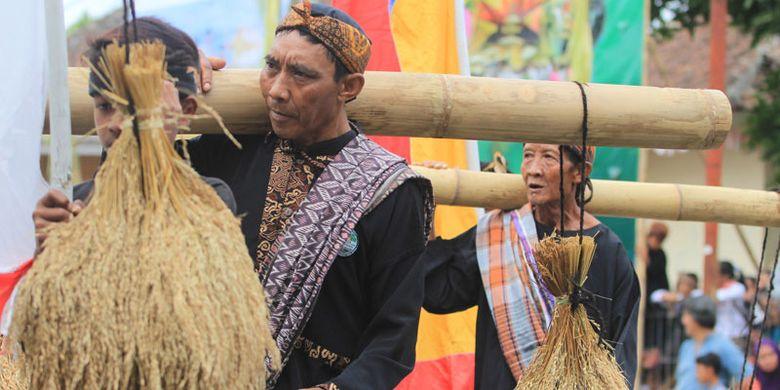
Java Sundanese Tilu
On the fertile slopes of Mounts Tilu, Halu, and Ciwidey, in the coffee-growing region surrounding the city of Bandung, renowned for its fine harvests with balanced and elegant aromatic profiles; ;
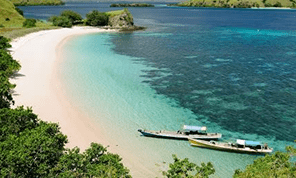
Render Nao
An island east of Bali that is still underdeveloped, where the coffee offers unparalleled profiles for those seeking to venture off the beaten path.
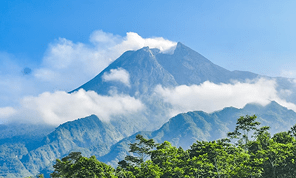
Babadan
Between the Merapi and Merbabu volcanoes, where high-altitude microclimates give the coffees a bright acidity and great aromatic complexity; ;